Building Your Home Pharmacy: The OTC Medications Every Household Needs and How to Use Them Wisely
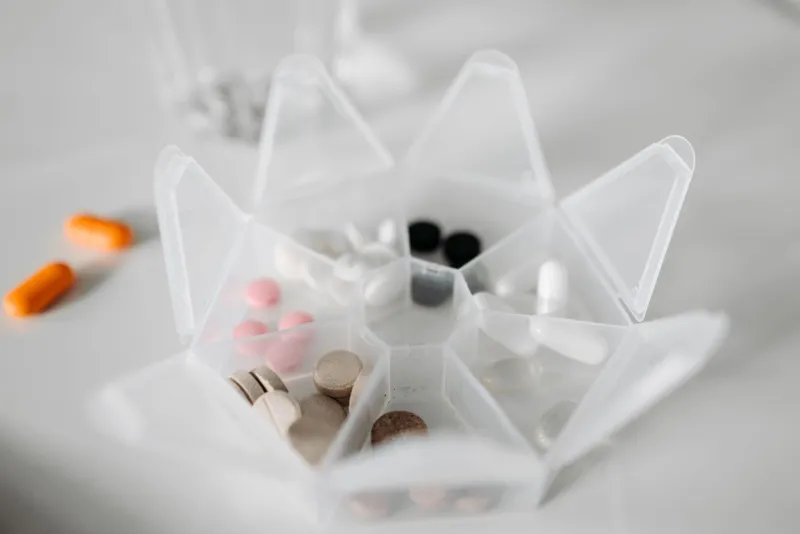
Few things are more frustrating than waking up at 2 a.m. with a pounding headache or a child running a fever—only to discover your medicine cabinet is empty. A thoughtfully assembled home pharmacy is not a luxury; it is a practical investment in your family's health and comfort. Yet many households stock their shelves reactively, grabbing whatever is nearby at the moment illness strikes, often ending up with duplicate products, expired medications, or the wrong formulation entirely.
The goal here is not simply to hand you a shopping list. It is to help you understand why certain over-the-counter (OTC) medications earn their place in a well-stocked cabinet, how to store them so they remain effective, and how to navigate the brand-name versus generic question with confidence.
Pain Relief and Fever Management: The Foundation of Any Home Pharmacy
If your home pharmacy has a cornerstone, it is analgesics and antipyretics—medications that relieve pain and reduce fever. Two categories dominate this space: acetaminophen and nonsteroidal anti-inflammatory drugs (NSAIDs), which include ibuprofen and naproxen sodium.
Acetaminophen (sold as Tylenol and its many generics) is generally the first recommendation for fever reduction and mild-to-moderate pain. It is suitable for most ages, including infants when dosed appropriately, and is gentler on the stomach than NSAIDs. However, it should never be combined with alcohol and must be dosed carefully to avoid liver stress.
Ibuprofen (Advil, Motrin, and generics) adds anti-inflammatory action, making it particularly useful for muscle aches, dental pain, and menstrual cramps. Naproxen sodium (Aleve) works similarly but lasts longer—up to 12 hours per dose—making it a practical choice for adults managing chronic discomfort.
For most households, stocking both acetaminophen and ibuprofen in adult and pediatric formulations covers the broadest range of needs.
Cold, Flu, and Allergy: Navigating a Crowded Shelf
The cold and flu aisle is arguably the most confusing section of any pharmacy. Products with nearly identical packaging promise wildly different outcomes. The key is to treat symptoms individually rather than defaulting to multi-symptom formulas, which often contain ingredients you do not need and may interact with other medications.
- Decongestants: Pseudoephedrine (found behind the pharmacy counter due to federal regulations) is more effective than phenylephrine, which studies have increasingly called into question. If nasal congestion is your primary complaint, pseudoephedrine is worth asking the pharmacist for.
- Antihistamines: First-generation options like diphenhydramine (Benadryl) cause significant drowsiness and are best reserved for nighttime use. Second-generation antihistamines—cetirizine (Zyrtec), loratadine (Claritin), and fexofenadine (Allegra)—offer allergy relief with far less sedation and are appropriate for daytime use.
- Cough suppressants and expectorants: Dextromethorphan suppresses the cough reflex and is appropriate for a dry, unproductive cough. Guaifenesin (Mucinex) loosens mucus and is better suited for a productive, chest cough. Using the right one matters—suppressing a productive cough can actually prolong illness.
For seasonal planning, consider stocking up on antihistamines before spring pollen season peaks in your region, and ensure your cold and flu supplies are refreshed before October.
Digestive Health: Managing Discomfort at Home
Gastrointestinal complaints are among the most common reasons Americans reach for OTC relief. A well-rounded home pharmacy should address the full spectrum of digestive issues.
- Antacids (Tums, Rolaids): Calcium carbonate-based antacids provide rapid, short-term relief from heartburn and indigestion. They work within minutes but do not prevent symptoms.
- H2 blockers (famotidine/Pepcid): These reduce stomach acid production and are appropriate for more persistent heartburn. They take longer to act but provide relief for several hours.
- Proton pump inhibitors (omeprazole/Prilosec OTC): Best suited for frequent heartburn occurring two or more days per week, PPIs require consistent daily use over 14 days to be effective and should not be used long-term without physician guidance.
- Anti-diarrheal medications: Loperamide (Imodium) slows intestinal motility and is effective for acute, non-infectious diarrhea. Bismuth subsalicylate (Pepto-Bismol) addresses nausea, indigestion, and mild diarrhea but should be avoided in children due to its aspirin-like component.
- Laxatives: Keep a gentle osmotic laxative like polyethylene glycol (MiraLAX) on hand for occasional constipation rather than relying on stimulant laxatives, which can cause dependency with frequent use.
First Aid Essentials: Beyond the Medicine Cabinet
A home pharmacy is incomplete without a solid first aid foundation. Stock the following:
- Antiseptic solutions or wipes (isopropyl alcohol, hydrogen peroxide, or povidone-iodine) for wound cleaning
- Antibiotic ointment (Neosporin or generic triple antibiotic) to prevent infection in minor cuts and scrapes
- Hydrocortisone 1% cream for mild itching, insect bites, and minor skin irritation
- Oral rehydration salts or electrolyte solutions (Pedialyte) for dehydration related to illness
- Adhesive bandages and gauze in multiple sizes
Brand-Name vs. Generic: What You Actually Need to Know
The FDA requires that generic medications contain the same active ingredient in the same dosage and formulation as their brand-name counterparts. In practical terms, generic ibuprofen is therapeutically equivalent to Advil. Generic cetirizine performs identically to Zyrtec.
The differences you will find between brand-name and generic products are typically in inactive ingredients—fillers, dyes, and coatings—which rarely affect outcomes for most people. Choosing generics is a straightforward way to reduce household healthcare costs by 30 to 80 percent without sacrificing efficacy.
One exception worth noting: certain extended-release formulations and combination products may have minor differences in how they are absorbed. When in doubt, consult your pharmacist, who can offer guidance specific to your health profile.
Proper Storage: The Factor Most People Overlook
Medications are sensitive to heat, light, and humidity—which makes the bathroom medicine cabinet, ironically, one of the worst places to store them. Steam from showers and fluctuating temperatures can degrade active ingredients faster than most people realize.
Better storage alternatives include a cool, dry bedroom drawer or a dedicated lockbox kept out of reach of children. Key storage guidelines:
- Keep all medications in their original containers with labels intact
- Store liquid medications upright to prevent leakage and contamination
- Never store medications in a car glove compartment, where temperatures can exceed 120°F in summer
- Check expiration dates every six months and dispose of expired medications properly—many pharmacies and law enforcement agencies offer drug take-back programs
A Note on Pediatric Formulations
Families with young children must maintain age-appropriate versions of core medications. Pediatric acetaminophen and ibuprofen are dosed by weight, not age, so always use the dosing chart on the packaging or confirm with your pediatrician. Never administer adult formulations to children without explicit medical guidance.
Building a home pharmacy is ultimately an act of preparedness. When you know what you have, why you have it, and how to use it correctly, you are far better positioned to manage everyday health challenges calmly and effectively—and to recognize when a situation warrants professional care. Start with the essentials outlined here, review your supplies twice a year, and do not hesitate to consult your local pharmacist when questions arise. They remain one of the most accessible and underutilized resources in American healthcare.