What Expired Medications Are Really Costing American Households — And How to Stop the Drain
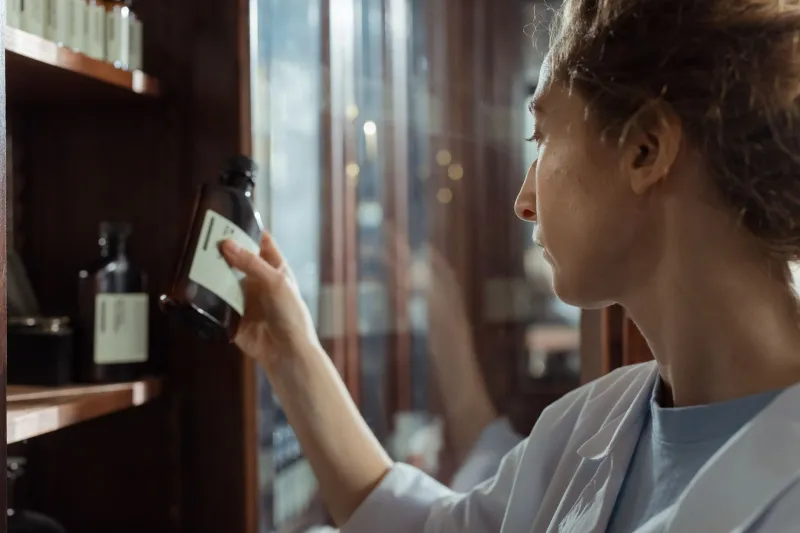
Open the average American medicine cabinet and you are likely to find a small museum of forgotten health crises: a half-empty bottle of amoxicillin from a child's ear infection two winters ago, a box of antihistamines purchased during last year's allergy season, a tube of hydrocortisone cream with a date that has long since passed. These remnants of past ailments represent more than clutter. They represent a measurable, largely invisible drain on household finances — and a public health concern that pharmacists and policy researchers have been raising for years.
Estimates from pharmaceutical waste analysts suggest that Americans discard somewhere between $200 billion and $400 billion worth of medications annually when accounting for unused prescriptions, improperly stored drugs that degrade ahead of schedule, and over-the-counter products that expire before they are ever opened. Even at the household level, a 2019 study published in the Mayo Clinic Proceedings found that the average American family spends between $1,200 and $1,800 per year on medications, with a notable percentage of that sum representing products that will never be fully utilized.
For health-conscious consumers trying to manage family wellness at home, understanding where this waste originates — and how to reduce it — is as practical a financial strategy as reviewing a monthly budget.
The Science of Drug Degradation: What Expiration Dates Actually Mean
The expiration date stamped on a medication bottle is not an arbitrary number. It represents the manufacturer's guarantee that the product will maintain at least 90 percent of its stated potency under recommended storage conditions up to that date. Beyond that point, the chemistry becomes unpredictable.
Different drug classes degrade through different mechanisms. Aspirin, for example, hydrolyzes over time, breaking down into acetic acid and salicylic acid — which is why very old aspirin often smells faintly of vinegar. Tetracycline antibiotics, once widely cited as a cautionary example, can degrade into compounds associated with kidney damage. Liquid medications and suspensions are generally far more vulnerable to degradation than solid tablets. Nitroglycerin, used for chest pain, is notoriously sensitive to heat, light, and moisture, and can lose effectiveness rapidly if not stored correctly.
The U.S. Food and Drug Administration has noted through its Shelf Life Extension Program — originally developed for military stockpiles — that some medications retain potency well beyond their labeled dates when stored under ideal conditions. However, this research was conducted in controlled environments that bear little resemblance to the warm, humid bathroom cabinet where most Americans keep their prescriptions.
The takeaway: expiration dates matter, but storage conditions determine whether a medication reaches its expiration date in full working order or degrades significantly before it gets there.
The Hidden Culprit: Where You Store Your Medications
The bathroom medicine cabinet is perhaps the most culturally ingrained storage location for household medications — and also among the worst choices available. Bathrooms generate heat and humidity every time a shower runs, creating precisely the environmental conditions that accelerate chemical breakdown in both prescription and over-the-counter drugs.
Pharmacists consistently recommend storing most medications in a cool, dry location away from direct light. A bedroom dresser drawer, a dedicated shelf in a linen closet, or a lockable storage box kept in a low-traffic area of the home are all preferable alternatives. Medications requiring refrigeration — certain liquid antibiotics, insulin, some eye drops — should be kept in the main compartment of the refrigerator, never in the door where temperature fluctuates with frequent opening.
Heat is particularly destructive. The American Pharmacists Association advises that most oral medications should be stored at room temperature, generally defined as between 59°F and 77°F. A car glove compartment, a windowsill, or a cabinet above the stove can expose medications to temperatures well above that range, shortening their effective life considerably.
For households in humid climates — particularly in the Gulf Coast states, Florida, and parts of the Pacific Northwest — silica gel desiccant packets placed in medication storage containers can help manage moisture. Some pharmacies sell medication storage organizers designed specifically with climate control in mind.
Calculating the Real Cost to Your Household Budget
The financial impact of medication waste operates on two levels. The first is the direct cost of discarding unused or expired products. Consider a common scenario: a 30-day supply of a brand-name allergy medication purchased at retail price, half of which goes unused before the season ends and sits in the cabinet until it expires the following year. That represents a tangible, calculable loss.
The second level is subtler and potentially more costly: taking a medication that has degraded below therapeutic effectiveness. When an antibiotic has lost potency, an infection may not clear fully, potentially leading to a follow-up physician visit, a second prescription, and additional pharmacy costs. When a blood pressure medication has degraded, readings may remain elevated without an obvious explanation, prompting unnecessary diagnostic testing. The downstream costs of ineffective treatment can far exceed the original price of the medication itself.
A straightforward annual medicine cabinet audit — reviewing expiration dates, disposing of expired products safely, and noting which medications were purchased but barely used — can help households identify patterns of waste and purchase more strategically going forward.
Safe Disposal: A Public Health Responsibility
Disposing of expired or unused medications is not simply a matter of household tidiness. Medications flushed down the toilet or thrown in household trash can enter water systems and landfills, where certain compounds have been detected in municipal water supplies and aquatic ecosystems.
The U.S. Drug Enforcement Administration coordinates National Prescription Drug Take Back events twice yearly, providing free, anonymous drop-off locations across the country. Year-round drop-off sites are available at many retail pharmacies and police department lobbies. The DEA's website maintains an updated locator tool for authorized collection sites.
For medications that cannot be brought to a collection site, the FDA recommends mixing them with an undesirable substance — used coffee grounds or cat litter work well — sealing the mixture in a bag, and placing it in household trash. A small number of medications, including certain opioids, carry specific FDA guidance recommending immediate flushing due to the risk of accidental ingestion if left in a trash receptacle.
Building a Leaner, More Effective Home Pharmacy
Reducing medication waste begins with intentional purchasing. Buying the smallest available quantity of an over-the-counter product for a short-term need — rather than the bulk value pack — often makes more financial sense when the likelihood of using the full supply before expiration is low.
For recurring medications, automatic refill programs through retail or mail-order pharmacies can help synchronize supply with actual consumption patterns, reducing the likelihood of accumulating excess stock. Many pharmacy benefit programs also offer 90-day supplies at reduced co-pays, which can lower per-unit cost without encouraging waste when the medication is one taken consistently over time.
Keeping a simple written or digital log of what is in your home pharmacy — including purchase dates, quantities on hand, and expiration dates — takes less than 15 minutes to establish and can be updated in moments during a monthly or quarterly review. Several mobile applications designed for medication management include inventory tracking features that make this process even more straightforward.
The goal is not a bare-minimum medicine cabinet that leaves your household unprepared for common health needs. It is a calibrated, current inventory that serves your family's actual health profile without hemorrhaging money into the waste stream.
Proper home pharmacy management, in the end, is not a minor housekeeping task. It is a meaningful component of household financial health and a contribution to broader public safety — one cabinet review at a time.