What's on Your Plate May Be Working Against Your Prescriptions
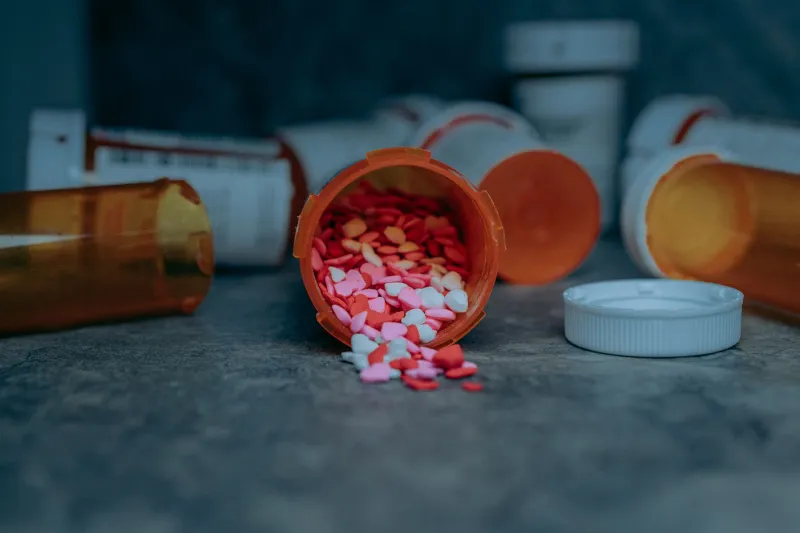
Most Americans carefully read the labels on their prescription bottles, yet far fewer consider that the meal sitting alongside those medications may be quietly undermining them. The relationship between food and pharmaceuticals is more complex—and more consequential—than most people realize. Certain compounds in ordinary pantry staples can block drug absorption, amplify medication effects to dangerous levels, or render a carefully calibrated prescription dose far less effective than intended.
This is not a fringe concern. The U.S. Food and Drug Administration has formally flagged several food-drug interactions as clinically significant, and pharmacists routinely counsel patients on dietary adjustments when dispensing specific medications. Understanding which foods require caution is a practical, cost-free step toward safer home health management.
The Grapefruit Problem: One Fruit, Many Medications
Grapefruit is perhaps the most well-documented example of a food that interferes with medication metabolism. The culprit is a class of compounds called furanocoumarins, which inhibit an enzyme in the small intestine known as CYP3A4. This enzyme is responsible for breaking down a surprisingly wide range of medications before they enter the bloodstream.
When grapefruit disables CYP3A4, drug concentrations in the blood can rise sharply—sometimes to levels that cause serious adverse effects. Statins used to manage cholesterol, including atorvastatin and simvastatin, are among the most commonly affected drugs. Elevated statin levels have been associated with muscle pain and, in rare cases, a dangerous condition called rhabdomyolysis. Certain calcium channel blockers prescribed for high blood pressure, some immunosuppressants, and select anxiety medications are also affected.
The interaction is not limited to consuming grapefruit at the same time as your medication. Because furanocoumarins cause lasting enzyme inhibition, a single glass of grapefruit juice in the morning can interfere with a medication taken hours later. Seville oranges—commonly found in marmalades—and tangelos carry similar risks. If you take any of the affected drug classes, it is worth discussing with your pharmacist whether grapefruit needs to be eliminated entirely from your diet rather than simply timed around your dosing schedule.
Leafy Greens and Blood Thinners: A Well-Known but Frequently Mismanaged Pairing
Warfarin, a widely prescribed anticoagulant, requires a careful balance of vitamin K in the diet to function predictably. Vitamin K plays a central role in blood clotting, and warfarin works by inhibiting its activity. Foods rich in vitamin K—spinach, kale, Swiss chard, broccoli, and Brussels sprouts—can therefore counteract the medication's effects, potentially increasing clot risk.
The key misunderstanding here is that patients are often advised to avoid these vegetables entirely, when the more nuanced guidance is to maintain consistency. Eating a moderate, steady amount of vitamin K-rich foods allows physicians to calibrate warfarin dosing accordingly. Dramatic week-to-week swings in consumption—a salad-heavy week followed by one with almost no vegetables—are what destabilize anticoagulation control.
For households managing warfarin therapy at home, the practical takeaway is straightforward: choose a realistic dietary pattern you can sustain and communicate it clearly to your prescribing physician. Sudden dietary overhauls, including the adoption of green juice cleanses or new diet plans heavy in leafy vegetables, should always prompt a conversation about adjusting your INR monitoring schedule.
Turmeric and Ginger: When Wellness Trends Meet Blood-Thinning Medications
The popularity of anti-inflammatory spices has grown considerably in recent years, and both turmeric and ginger are now staples in many American kitchens. Curcumin, the active compound in turmeric, has demonstrated antiplatelet properties in research settings—meaning it may inhibit the clumping of platelets that forms clots. Ginger carries similar properties.
For individuals taking anticoagulants such as warfarin, clopidogrel, or even daily low-dose aspirin, consuming these spices in large quantities—through concentrated supplements, turmeric lattes, or high-dose ginger preparations—may amplify bleeding risk. Culinary amounts used in cooking are generally considered low-risk, but the supplemental doses promoted in wellness contexts can be meaningfully different.
This is an area where the line between food and medicine blurs considerably. If you are incorporating turmeric or ginger supplements into your routine while taking any medication that affects clotting, transparency with your pharmacist or physician is essential.
Dairy, Calcium, and Antibiotic Absorption
Certain antibiotics, particularly tetracyclines and fluoroquinolones, bind to calcium ions in a process called chelation. When these drugs are taken alongside dairy products—milk, yogurt, or cheese—or calcium-fortified foods, the calcium effectively traps the antibiotic and prevents it from being fully absorbed into the bloodstream. The result is a reduced drug concentration, which can compromise the effectiveness of the treatment.
This interaction is particularly relevant in households managing infections at home with a short antibiotic course, where every dose matters. The standard guidance is to take these medications either one hour before or two hours after consuming dairy or calcium-rich foods. Antacids and calcium supplements carry the same risk and should be timed accordingly.
Tyramine-Rich Foods and MAO Inhibitors: A Serious Safety Concern
For patients prescribed monoamine oxidase inhibitors (MAOIs)—a class of antidepressants less commonly used today but still prescribed in specific clinical situations—the dietary stakes are considerably higher. MAOIs prevent the breakdown of tyramine, an amino acid found in aged cheeses, cured meats, fermented foods, and certain wines. When tyramine accumulates in the body, it can trigger a sudden and severe spike in blood pressure known as a hypertensive crisis.
This interaction is serious enough that patients on MAOIs receive detailed dietary counseling from their care team. However, awareness of which foods are implicated—aged cheddar, salami, sauerkraut, soy sauce, and tap beer among them—is important for anyone managing this medication at home or supporting a family member who does.
Building Awareness Into Your Home Health Routine
The most effective defense against food-drug interactions is not a restrictive diet but an informed one. Several practical steps can meaningfully reduce your risk.
First, when picking up any new prescription, ask your pharmacist directly: Are there foods I should avoid or be cautious about with this medication? Pharmacists are trained in this area and are an underutilized resource in most households.
Second, read the patient information insert that accompanies your prescription. These documents, while dense, often contain specific dietary guidance that goes beyond what is printed on the bottle label.
Third, maintain an updated medication list that includes not just prescriptions but also OTC drugs and supplements. Share this list with every member of your care team, including your pharmacist, so that interactions—whether drug-drug or food-drug—can be identified proactively.
Finally, treat significant dietary changes the same way you would treat a new medication: as something worth flagging to your healthcare provider. A new eating plan, a supplement regimen, or even a dramatic increase in certain foods can shift the therapeutic balance of medications that have been stable for years.
Your kitchen and your medicine cabinet are not separate domains. Managing them as an integrated system is one of the simplest and most impactful things you can do for your health at home.