What's Hiding in Your Spice Drawer: The Herb-Drug Interactions Your Doctor May Never Mention

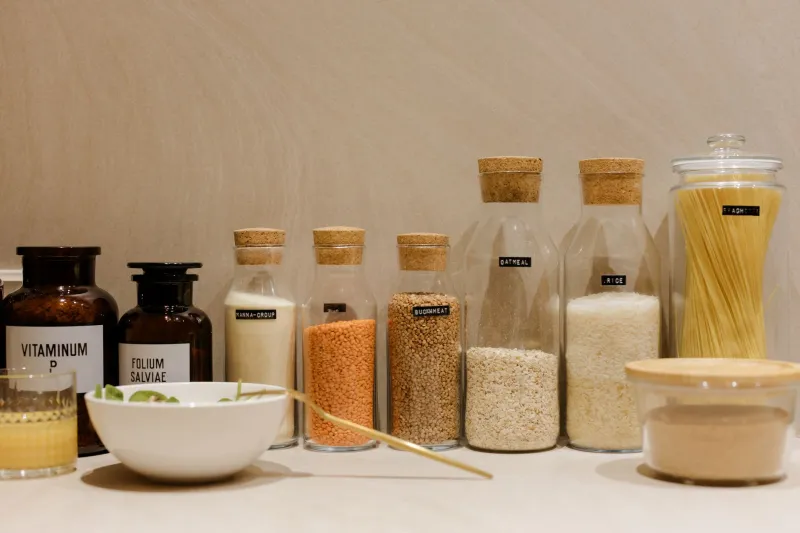
Most Americans think carefully about what medications they take together. Fewer think about what they eat alongside those medications. And almost no one thinks about the small glass jars lined up on the kitchen shelf — the turmeric, the garlic powder, the dried ginger, the cayenne — as anything other than flavor enhancers.
But culinary herbs are biologically active compounds. Many of them have been studied for their medicinal properties for centuries, and that biological activity does not switch off simply because they are sprinkled over a bowl of soup. For the millions of Americans managing chronic conditions with prescription or over-the-counter medications, understanding how common herbs interact with those drugs is not a fringe concern. It is a practical matter of household health safety.
Why Culinary Herbs Deserve the Same Scrutiny as Supplements
There is a tendency to separate "herbs you cook with" from "herbal supplements you take in capsule form." The distinction feels intuitive, but it is not always meaningful from a pharmacological standpoint. The active compounds in turmeric, for example, are the same whether you consume them in a curry or in a standardized supplement. The primary differences are concentration and frequency of use.
For occasional, small-quantity culinary use, the risk of significant interaction is generally low. However, many health-conscious Americans have moved toward using herbs more liberally — adding generous amounts of turmeric to smoothies, drinking concentrated ginger tea daily, or using garlic supplements alongside fresh garlic in cooking. At these levels, the interaction potential increases meaningfully.
Pharmacists are well-positioned to flag known drug-herb interactions, but they can only do so when patients mention their habits. Most people do not think to disclose their spice rack contents during a pharmacy consultation.
Turmeric and Blood Thinners: A Combination Worth Watching
Turmeric has become one of the most celebrated culinary herbs in American kitchens over the past decade, prized for its purported anti-inflammatory properties. Its active compound, curcumin, is the subject of substantial ongoing research. It is also a known anticoagulant.
For individuals taking warfarin (Coumadin), aspirin, clopidogrel (Plavix), or other blood-thinning medications, regular high-dose turmeric consumption can amplify the blood-thinning effect. This may increase the risk of bruising or bleeding. Those who undergo regular INR monitoring for warfarin dosing should be aware that significant changes in turmeric intake could affect their results. Discussing dietary habits — including herbs — with the prescribing physician is advisable for anyone on anticoagulation therapy.
Garlic: More Than a Flavor Agent
Fresh garlic and garlic supplements are among the most widely consumed herbal products in the United States. Garlic has demonstrated antihypertensive, lipid-lowering, and antiplatelet properties in clinical research. These are the same properties targeted by several categories of prescription medications.
For patients taking antihypertensive drugs, large or consistent amounts of garlic may produce an additive blood-pressure-lowering effect, potentially leading to hypotension. For those on antiretroviral therapy — particularly saquinavir, used in HIV treatment — garlic supplements have been shown in studies to significantly reduce drug plasma levels, potentially compromising treatment efficacy. This interaction is well-documented and represents a genuine clinical concern.
Additionally, garlic's antiplatelet activity means it carries similar bleeding-risk considerations as turmeric when combined with blood thinners or NSAIDs.
Ginger: Soothing for Nausea, Potentially Disruptive for Medications
Ginger is a fixture in American homes, used in everything from baked goods to wellness teas to stir-fries. Its anti-nausea properties are well-established, and it is frequently recommended as a natural remedy for motion sickness and morning sickness.
However, ginger also inhibits platelet aggregation and may have mild hypoglycemic effects. For patients on diabetes medications — including insulin, metformin, or sulfonylureas — regular high consumption of ginger could contribute to lower-than-expected blood glucose levels. Monitoring blood sugar more closely during periods of increased ginger intake is a prudent step.
As with turmeric and garlic, the combination of ginger with anticoagulants warrants attention. The compounding effect of multiple herbs with antiplatelet properties, consumed alongside blood-thinning medications, represents a risk that is easy to overlook precisely because each element seems benign in isolation.
Cayenne Pepper and Drug Absorption
Capsaicin, the active compound in cayenne and other hot peppers, can influence the absorption and metabolism of certain medications. Research suggests that capsaicin may affect the activity of cytochrome P450 enzymes — the liver enzymes responsible for metabolizing a wide range of drugs. Alterations in this metabolic pathway can affect how quickly a drug is processed, potentially influencing both its efficacy and its side effect profile.
Cayenne may also interact with ACE inhibitors, which are commonly prescribed for hypertension and heart failure. ACE inhibitors are already associated with a persistent dry cough as a side effect; some evidence suggests that capsaicin can exacerbate this symptom.
St. John's Wort: The Herb That Crosses Into Both Worlds
Although St. John's Wort is most commonly associated with herbal supplement use rather than everyday cooking, it appears in teas and herbal blends found in many American kitchens. It deserves mention here because it carries one of the most clinically significant interaction profiles of any widely consumed herb.
St. John's Wort is a potent inducer of cytochrome P450 enzymes and P-glycoprotein, a drug transporter protein. This means it can dramatically reduce the blood levels of numerous medications, including oral contraceptives, antiretrovirals, immunosuppressants such as cyclosporine, and certain antidepressants. The FDA has previously issued warnings about St. John's Wort interactions. Any household in which someone takes these medication categories should treat St. John's Wort — in any form — with considerable caution.
Practical Steps for the Health-Conscious Home
None of this means that herbs should be abandoned. Rather, it calls for a more informed approach to home health management — one that treats the kitchen and the medicine cabinet as interconnected spaces.
Disclose dietary habits to your pharmacist and physician. When starting a new prescription, mention not just other medications but also any herbs or foods you consume regularly in significant quantities. Pharmacists are trained to identify interactions and can advise accordingly.
Be especially vigilant with anticoagulants, diabetes medications, and immunosuppressants. These drug categories have narrow therapeutic windows, meaning that even modest changes in drug levels can have outsized clinical consequences.
Distinguish between culinary use and therapeutic dosing. A pinch of turmeric in a recipe is not the same as two grams of curcumin extract daily. The more an herb is used in a concentrated, consistent, or supplement-like manner, the greater the potential for interaction.
Use reputable interaction-checking resources. Tools such as the National Institutes of Health's Office of Dietary Supplements database and pharmacist consultations remain the most reliable sources for herb-drug interaction information.
The Integrated Approach to Home Health
The modern American medicine cabinet and the modern American kitchen are more connected than most households recognize. Managing health at home effectively means accounting for both — understanding not just what prescriptions are being taken, but what is being consumed alongside them every day.
The herbs that add depth to a meal can also add complexity to a medication regimen. Approaching that complexity with awareness, rather than anxiety, is the foundation of genuinely informed home health care.