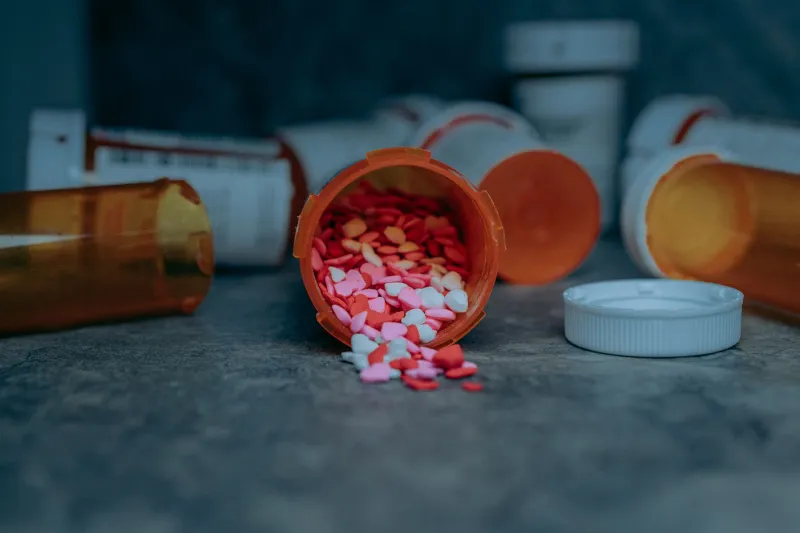
When Good Food Goes Bad for Your Prescriptions: The Kitchen Ingredients Quietly Undermining Your Medications
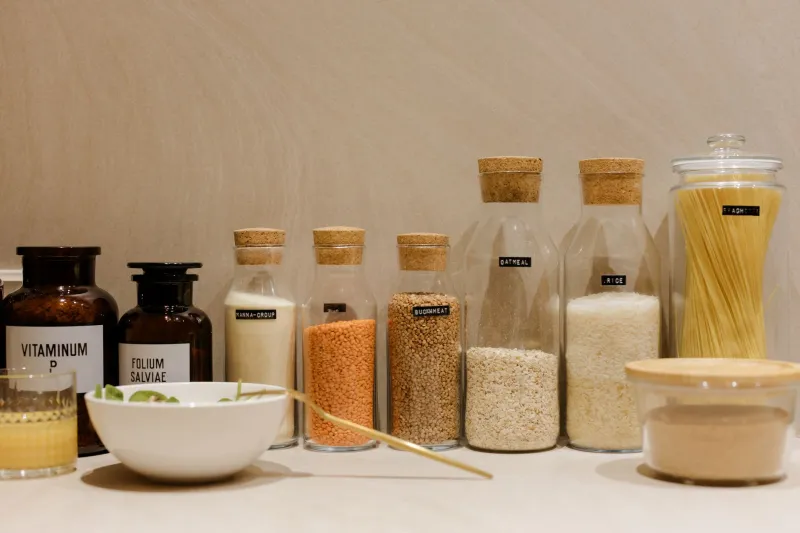
Most Americans give considerable thought to which medications they take and when they take them. Far fewer, however, consider what they ate for breakfast before swallowing that pill. The kitchen — that warm, familiar center of home life — is also, for many households, an unrecognized source of pharmaceutical interference. Certain ingredients that have earned reputations as wholesome, even medicinal, can interfere with prescription and over-the-counter drugs in ways that are clinically significant and largely preventable.
This is not a reason to fear food. It is, however, a compelling reason to understand it.
Grapefruit: The Well-Documented Disruptor
No conversation about food-drug interactions is complete without grapefruit, and for good reason. Grapefruit — along with Seville oranges and certain pomelos — contains compounds called furanocoumarins that inhibit an enzyme in the intestines known as CYP3A4. This enzyme is responsible for metabolizing a surprisingly wide range of medications, including certain statins, blood pressure drugs, immunosuppressants, and some anxiety medications.
When CYP3A4 is suppressed, drug concentrations in the bloodstream can rise well above intended levels. In practical terms, this means a standard dose may behave like an overdose. Conversely, a small number of medications are activated by this enzyme, and grapefruit can render them less effective.
What makes this interaction particularly tricky is timing. A single glass of grapefruit juice can inhibit CYP3A4 activity for up to 24 hours. Spacing your medication away from grapefruit by a few hours, a common workaround people assume is safe, generally is not sufficient. If you take any of the affected drug classes, consult your pharmacist about whether grapefruit needs to be eliminated from your diet entirely while on that medication.
Turmeric: The Golden Spice With a Complex Profile
Turmeric has become a fixture in American kitchens and wellness routines alike, promoted for its anti-inflammatory properties and celebrated in everything from curries to lattes. Its active compound, curcumin, does have legitimate research behind it — but that same biological activity is precisely what creates the potential for drug interactions.
Curcumin has demonstrated blood-thinning properties, which means it can amplify the effects of anticoagulants such as warfarin, as well as antiplatelet drugs like aspirin or clopidogrel. For individuals managing clotting disorders or recovering from cardiac events, this compounding effect can elevate bleeding risk to a clinically concerning level.
Turmeric also appears to influence how the liver processes certain drugs, potentially affecting the metabolism of medications that rely on specific liver enzymes. If you use turmeric supplements — which deliver curcumin in concentrations far exceeding what you would encounter in cooking — this risk is meaningfully amplified. Culinary use in moderate amounts is generally less concerning, but it remains worth discussing with your pharmacist if you are on blood thinners or immunosuppressants.
Garlic: A Kitchen Staple With Anticoagulant Tendencies
Garlic is one of the most widely consumed ingredients in American cooking, and its health associations are long-standing. What is less commonly known is that garlic — particularly in supplement form, but also in significant culinary quantities — carries anticoagulant and antiplatelet properties similar to those of turmeric.
For patients taking warfarin, HIV protease inhibitors, or certain diabetes medications, regular high-dose garlic consumption has been associated with altered drug metabolism and enhanced bleeding risk. Garlic may also lower blood pressure and blood glucose, which can create additive effects when combined with medications targeting those same physiological pathways.
Again, the distinction between a clove of garlic in a pasta dish and a concentrated garlic supplement is important. The former is unlikely to cause problems for most people; the latter warrants a direct conversation with a healthcare provider before use.
Ginger: Soothing for the Stomach, Complicated for the Medicine Cabinet
Ginger tea is a beloved home remedy for nausea, indigestion, and cold symptoms — and it is genuinely effective for those purposes. But ginger, like garlic and turmeric, has blood-thinning properties that deserve attention in the context of medication management.
Studies suggest that ginger can inhibit platelet aggregation and may interact with anticoagulant therapy. It may also interact with certain diabetes medications by independently affecting blood sugar levels, and some research indicates potential interactions with cardiac drugs. High-dose ginger supplementation is where the risk concentrates most clearly, but individuals on multiple medications or with complex health profiles should be aware even of habitual high-volume culinary use.
The reassuring note here is that occasional ginger tea or ginger in cooking is unlikely to cause meaningful interference for most healthy adults on single-drug regimens. The concern scales with dose, frequency, and the complexity of an individual's medication profile.
Herbal Teas: Not as Benign as They Appear
The category of herbal teas deserves particular attention because these beverages occupy a cultural middle ground — they feel like food, but they function more like supplements. Many Americans consume chamomile, licorice root, St. John's Wort tea, and valerian root teas regularly without considering their pharmacological implications.
St. John's Wort is perhaps the most clinically significant offender. It is a known inducer of CYP3A4, the same enzyme that grapefruit inhibits — but in the opposite direction. Rather than raising drug concentrations, St. John's Wort accelerates drug metabolism, which can reduce the effectiveness of birth control pills, antiretroviral medications, certain antidepressants, and immunosuppressants. This interaction is well-established and taken seriously in clinical pharmacy.
Chamomile carries mild anticoagulant activity. Licorice root can elevate blood pressure and interact with antihypertensives and corticosteroids. Even green tea, consumed in large quantities, may affect iron absorption and interact with certain stimulant medications or blood thinners.
Practical Steps for the Medication-Aware Home Cook
None of this information is intended to strip the joy from home cooking or to pathologize wholesome eating habits. The goal is informed decision-making — a cornerstone of responsible at-home health management.
Several practical steps can help you navigate this landscape without overhauling your pantry:
Review your full medication list with a pharmacist. This is the single most effective step. A licensed pharmacist can cross-reference your specific drugs against known food interactions and give you personalized guidance rather than generalized caution.
Distinguish between culinary and supplement doses. A pinch of turmeric in a weeknight stir-fry is meaningfully different from a 500mg curcumin capsule taken daily. The risk profile shifts substantially with concentration.
Read medication guides carefully. Many prescription drug inserts include food interaction warnings that go unread. These documents exist precisely because these interactions are real and clinically relevant.
Communicate proactively with your care team. If you follow a particular dietary pattern — whether Mediterranean, plant-heavy, or inclusive of regular herbal supplement use — your physician and pharmacist should know. This context allows them to make better-informed prescribing and counseling decisions.
Do not make abrupt dietary changes while on stable medication regimens. If you have been eating grapefruit daily and your warfarin dose has been calibrated accordingly, stopping suddenly can shift your drug levels just as meaningfully as starting.
The Takeaway
Your kitchen and your medicine cabinet are not separate worlds. They share a common operating environment — your body — and the ingredients from one frequently influence the behavior of the contents of the other. Approaching home health with this understanding does not require a degree in pharmacology. It requires curiosity, open communication with your healthcare providers, and a willingness to see everyday foods as the biologically active substances they genuinely are.
At Home & Pharmacy, our commitment is to help you bridge exactly this kind of gap — connecting the practical realities of daily home life with the pharmaceutical knowledge that keeps you safe and well.