What Your Medicine Cabinet's Hidden Moisture Problem Is Costing You — And How to Stop It
Most Americans who think carefully about medication storage focus on the obvious offenders: the steamy bathroom cabinet, the sunny windowsill, the glove compartment baking in July heat. Those concerns are legitimate. But there is a subtler, more pervasive threat that operates quietly in kitchens, bedrooms, and even climate-controlled living rooms across the country — ambient humidity and episodic moisture exposure.
Unlike dramatic temperature swings, humidity damage is invisible. A pill may look exactly the same on the outside while its active pharmaceutical ingredients have already begun to break down. For households spending hundreds or even thousands of dollars annually on prescription and over-the-counter medications, that invisibility carries a real financial and health cost.
Why Moisture Is Particularly Destructive to Medications
Pharmaceutical compounds are, at the molecular level, often surprisingly reactive with water. Hydrolysis — the chemical process by which water molecules break apart drug compounds — is one of the primary degradation pathways for a wide range of medications. Aspirin, for instance, hydrolizes into acetic acid and salicylic acid when exposed to moisture over time, reducing its effectiveness and potentially increasing stomach irritation.
Beyond hydrolysis, moisture creates ideal conditions for microbial growth in certain formulations, accelerates oxidation, and causes physical changes that affect how drugs are absorbed by the body. Capsules swell and stick together. Tablet coatings dissolve prematurely, altering the intended release profile of extended-release formulations. Effervescent tablets activate before they reach a glass of water. Hygroscopic powders — those that naturally attract water — clump into unusable masses.
The medications most vulnerable to moisture damage include:
- Powders and effervescent tablets (electrolyte supplements, certain antacids)
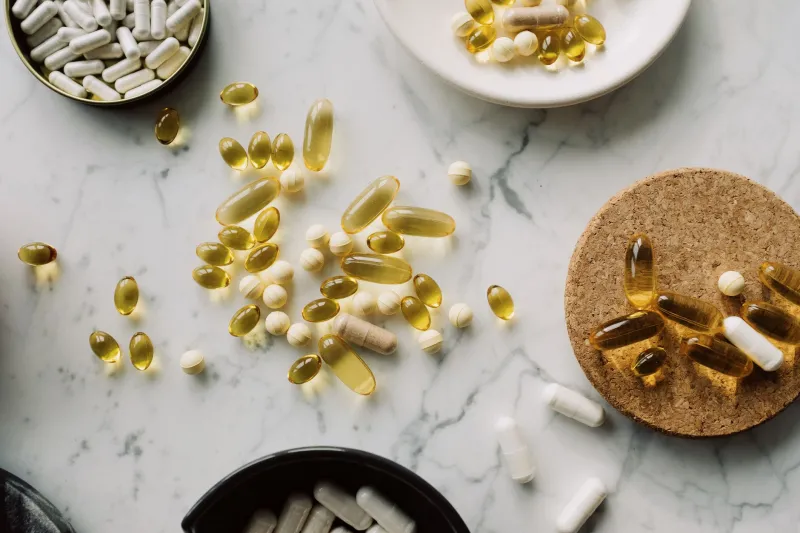
- Capsules with gelatin shells (many supplements, some prescription drugs)
- Sublingual and buccal tablets (nitroglycerin, certain hormone therapies)
- Biological injectables (insulin, some autoimmune medications)
- Certain antibiotics, particularly amoxicillin in powder form and tetracyclines
- Thyroid medications such as levothyroxine, which are notably sensitive to environmental conditions
The Rooms You Are Probably Overlooking
The bathroom warning is well established. But consider the full geography of a typical American home during a humid summer or a winter when the heat runs constantly.
The kitchen is arguably the second-worst storage location after the bathroom. Cooking generates steam, the dishwasher cycles hot moisture through the air, and kitchen windows are frequently opened. Medications stored in a drawer near the stove or sink are exposed to humidity spikes multiple times per day.
Bedrooms in humid climates — particularly in the Gulf Coast states, the Southeast, and the Pacific Northwest — can sustain relative humidity levels above 60 percent for extended periods, even with air conditioning running. Nightstand drawers, where many Americans keep daily medications for convenience, offer no meaningful moisture barrier.
Basement storage areas present obvious humidity risks, but many households store surplus medications or first-aid supplies in utility rooms adjacent to basements, where humidity migrates freely.
Vehicles, while often discussed in the context of heat, are also subject to dramatic humidity cycles — especially in regions that experience frequent rain, morning fog, or temperature swings that cause condensation inside the car.
Practical, Affordable Countermeasures
Controlling medication moisture exposure does not require expensive climate-control systems or pharmaceutical-grade storage solutions. Several practical approaches, used in combination, can dramatically reduce degradation risk.
Use Airtight, Purpose-Designed Containers
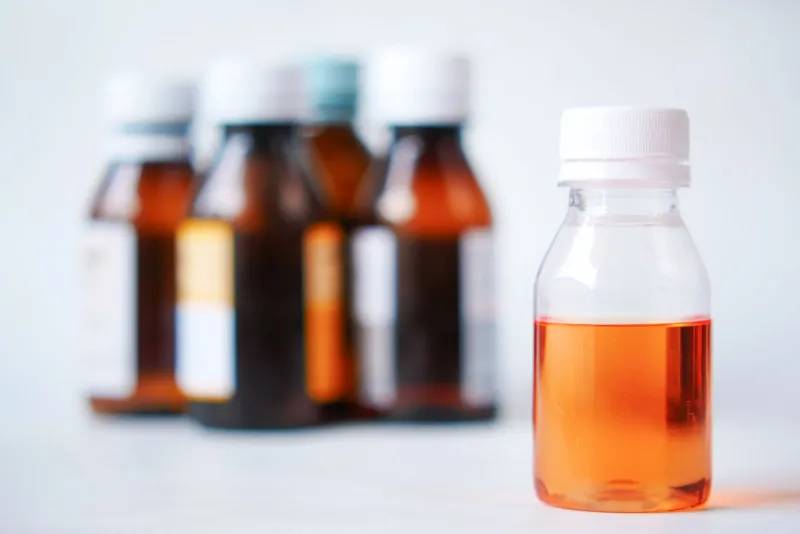
The original packaging from a pharmacy — the amber prescription vial or blister pack — is engineered with moisture resistance in mind. Resist the impulse to consolidate medications into decorative organizers or weekly pill boxes for anything other than short-term use. If you do use a weekly organizer, choose one with individual airtight compartments and refill it in small batches rather than loading a month's supply at once.
For bulk storage of supplements or over-the-counter medications, airtight glass or BPA-free plastic containers with silicone-sealed lids offer a significant upgrade over loosely capped bottles.
Add Desiccant Packets to Your Storage Areas
Silica gel desiccant packets — the small paper pouches often found in vitamin bottles and electronics packaging — are inexpensive and widely available. Placing one or two packets inside a medication storage container or drawer actively pulls ambient moisture from the surrounding air. Food-grade silica gel packets, sold in bulk online and at home goods stores, can be recharged in a low-temperature oven when saturated, making them a cost-effective long-term solution.
Clay-based desiccants are another option and tend to perform better in higher-humidity environments. For households in particularly humid regions, molecular sieve desiccants provide even greater moisture absorption capacity.
Monitor Humidity Levels Where You Store Medications
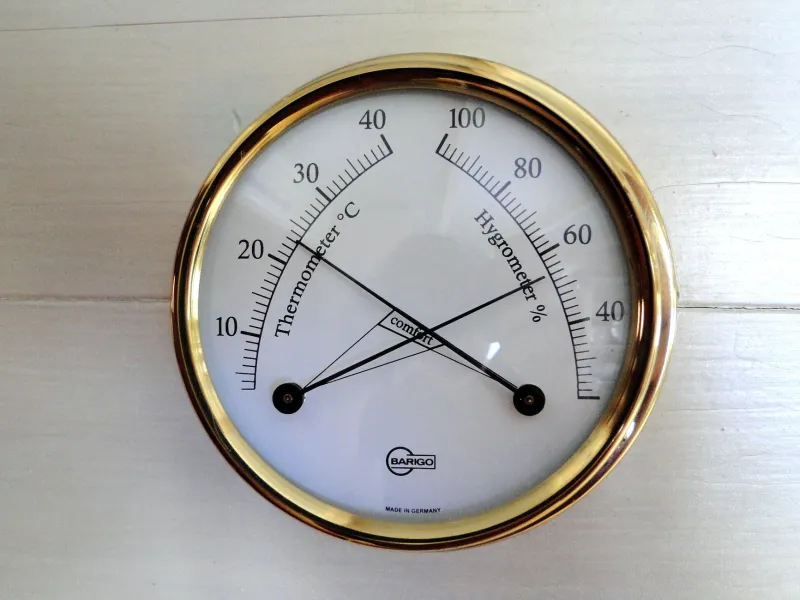
Small digital hygrometers — devices that measure relative humidity — cost between $10 and $25 and can be placed directly in a storage area to give you real-time data. The general pharmaceutical guideline is to keep storage areas below 60 percent relative humidity, with 45 to 55 percent considered optimal for most medications.
If your readings consistently exceed 60 percent, targeted interventions become more urgent. A small plug-in dehumidifier in a bedroom or a whole-home dehumidifier connected to your HVAC system may be warranted if you store significant quantities of temperature- and moisture-sensitive medications.
Reconsider Where "Convenient" Storage Actually Makes Sense
Convenience matters — people are more likely to take medications consistently when access is easy. But convenience and safety can coexist with a small adjustment in thinking. A bedroom closet shelf, away from exterior walls, tends to maintain more stable temperature and humidity than a nightstand drawer. A dedicated, airtight storage box kept in a climate-controlled interior room is vastly preferable to a kitchen drawer.
For medications that require refrigeration, the main body of the refrigerator — not the door — provides the most stable temperature and humidity conditions. The door is subject to repeated temperature fluctuations every time it opens.
Knowing When Moisture Damage Has Already Occurred
Because degradation is often invisible, it helps to know the physical warning signs that moisture has compromised a medication:
- Tablets or capsules that are sticking together or appear discolored
- A change in smell (a vinegar-like odor from aspirin is a classic indicator)
- Visible clumping or caking in powders
- Soft or misshapen tablets that were previously firm
- Unusual residue or crystallization on the outside of a tablet
When in doubt, consult your pharmacist before continuing to use a medication that shows any of these signs. The cost of a replacement supply is almost always lower than the cost of treating a health complication from a degraded drug.
A Year-Round Commitment, Not a One-Time Fix
Humidity is a seasonal variable, but it is never truly absent. Air conditioning reduces indoor humidity in summer but can actually create dry conditions in winter that affect certain formulations differently. Heating systems that run continuously in cold months can drop indoor relative humidity to levels that cause gelatin capsules to become brittle and crack.
The goal is not to achieve perfect pharmaceutical-grade conditions in a residential home — it is to stay within a reasonable range consistently and to eliminate the most egregious sources of moisture exposure. A small investment in airtight containers, a few desiccant packets, and a $15 hygrometer can protect hundreds of dollars in medications and, more importantly, ensure that what you take is actually working as intended.