The Pre-Winter Home Health Audit: A Room-by-Room Checklist That Pays for Itself

Every fall, millions of American homeowners inspect their furnaces, seal their windows, and drain their garden hoses in anticipation of winter. This ritual of seasonal preparation is broadly understood as both practical and financially prudent. Yet very few of those same households apply equivalent discipline to their home health setup—and the cost of that oversight often shows up as an after-midnight urgent care visit, a panicked call to a 24-hour pharmacy, or an emergency room bill for a condition that could have been managed at home with the right supplies on hand.
The parallel between home maintenance and home health preparedness is more than a convenient metaphor. Both involve identifying vulnerabilities before they become emergencies, investing modestly upfront to avoid disproportionate costs later, and operating with a system rather than reacting to crises. The following audit is designed to be completed before cold and flu season peaks—typically between November and March in most U.S. regions—and covers the four areas most likely to determine whether your household weathers the season with resilience or scrambles through it unprepared.
Step One: Audit Your Medicine Cabinet With Fresh Eyes
The medicine cabinet is the most obvious starting point, yet it is frequently the most neglected corner of home health management. Research consistently shows that American households stockpile expired medications, often for years past their printed dates. While some drugs retain potency beyond their expiration dates, others—including certain liquid antibiotics, insulin, and nitroglycerin—degrade in ways that can reduce effectiveness or, in rare cases, create safety concerns.
Begin by removing every item from your medicine cabinet, bathroom drawer, or wherever medications are stored. Check each expiration date and set aside anything that has passed it. The FDA and the Drug Enforcement Administration (DEA) co-sponsor take-back programs through local pharmacies and law enforcement offices, which provide a safe and environmentally responsible disposal method. Flushing medications or discarding them in household trash is discouraged for most drugs, though the FDA maintains a specific flush list for substances that pose particular community safety risks.
Once expired items are removed, assess what remains against the practical demands of a winter illness season. Key questions include: Do you have a reliable thermometer—and have you verified it reads accurately? Is your supply of pain relievers and fever reducers sufficient for simultaneous illness in multiple household members? Do you have appropriate pediatric formulations if children are present? Is there an adequate stock of antihistamines, decongestants, cough suppressants, and electrolyte solutions?
Note any gaps without purchasing impulsively. The next step will help you prioritize.
Step Two: Build a Tiered Inventory Based on Your Household's Actual Risk Profile
Not every household needs the same inventory. A single adult with no chronic conditions has materially different requirements than a family with elderly parents, young children, or members managing diabetes, asthma, or cardiovascular disease. Winter exacerbates many chronic conditions—cold air is a well-documented asthma trigger, influenza dramatically increases cardiovascular event risk, and respiratory infections can complicate blood sugar management in diabetic individuals.
Map your household's specific health profile before purchasing anything. For households with asthmatic members, confirm that rescue inhalers are in date and that a spacer device is accessible. For those managing diabetes, verify that testing supplies are fully stocked and that glucagon emergency kits, if prescribed, have not expired. For households with elderly members, ensure that any prescription medications used for chronic conditions have sufficient refills to avoid a mid-winter shortage, particularly if mobility or severe weather might complicate a pharmacy visit.
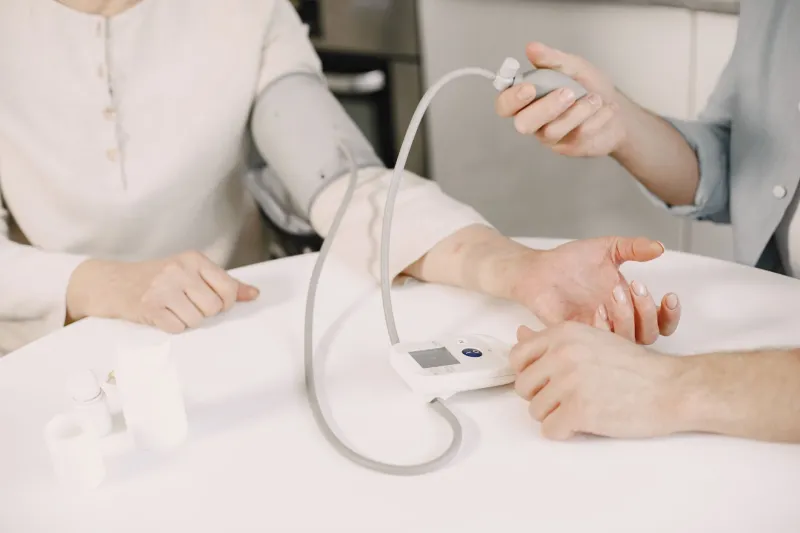
A practical approach is to organize your inventory into three tiers. The first tier covers acute symptom management—the items needed to treat a standard cold, flu, or minor injury at home. The second tier addresses chronic condition management and monitoring, including blood pressure cuffs, blood glucose meters, peak flow meters, and any associated consumables. The third tier encompasses emergency preparedness: a first aid kit with updated supplies, a seven-day supply of critical prescription medications, and the contact information for your telehealth provider, primary care physician, and nearest urgent care facility.
Step Three: Evaluate Your Telehealth and Remote Monitoring Capabilities
The expansion of telehealth services across the United States has fundamentally changed the calculus of home health management. Many conditions that previously required an in-person visit—sinus infections, urinary tract infections, mild respiratory illnesses, and prescription refill evaluations—can now be assessed and treated through a video consultation, often within hours and at a fraction of the cost of an urgent care or emergency room visit.
Before winter arrives, confirm that your health insurance plan covers telehealth visits and identify the platforms or services that are in-network. If you have not used telehealth previously, downloading the relevant app and completing account setup in advance eliminates friction at the moment you most need care—typically at 10 p.m. on a Sunday when a fever spikes.
For households managing chronic conditions, remote monitoring devices have become increasingly accessible and clinically useful. Connected blood pressure monitors, pulse oximeters with smartphone integration, and continuous glucose monitors can generate data that a telehealth provider can review in real time, enabling more informed care decisions without requiring a physical visit. The pre-season audit is an ideal time to assess whether your current monitoring equipment is functioning correctly, whether device software is updated, and whether you are effectively using the data these tools generate.
Step Four: Address Preventive Care Before the Season Begins
Perhaps the highest-value component of the pre-winter health audit is the simplest: ensuring that available preventive measures have been taken. Annual influenza vaccination remains the most effective single intervention for reducing flu-related illness, hospitalization, and missed work. The Centers for Disease Control and Prevention (CDC) recommends vaccination by the end of October for most adults, though later vaccination still confers meaningful benefit.
This is also the appropriate time to confirm that pneumococcal vaccines are current for household members over 65 or those with qualifying medical conditions, and to review whether any family members are overdue for other routine immunizations. Many pharmacies offer these services without an appointment and bill directly to insurance, making them a genuinely convenient option for households with busy schedules.
Beyond vaccination, the pre-winter period is a natural prompt to schedule any outstanding primary care appointments for chronic condition management. Physicians and nurse practitioners are often more accessible in October than in January, when practices are managing peak illness volumes. Addressing medication adjustments, ordering preventive labs, or revisiting a care plan before the season's demands peak can prevent the reactive, higher-cost encounters that winter illness so often triggers.
The Cost Case for Preparation
The financial argument for a pre-winter home health audit is straightforward. The average cost of an emergency room visit in the United States now exceeds $2,000, and urgent care visits typically run between $150 and $300 before any procedures or prescriptions. A well-stocked home pharmacy capable of managing common illnesses, combined with telehealth access for conditions requiring clinical guidance, can divert a significant number of those encounters.
The time investment required to complete this audit is modest—most households can work through all four steps in under two hours. The supplies needed to address identified gaps are largely inexpensive and available at any pharmacy. The preventive appointments and vaccinations are typically covered by insurance with no out-of-pocket cost.
Winter is coming. The question is whether your household meets it prepared or catches up in its wake.